| Period| | 2019-05-22 - 2019-05-31 |
|---|---|
| Operating hours| | 10:00 - 18:00 |
| Space| | Gallery Dam |
| Address| | 72, Yunboseon-gil, Jongno-gu, Seoul, Republic of Korea |
| Closed| | Korean Hoilday |
| Price| | Free |
| Phone| | 02-738-2745 |
| Web site| | 홈페이지 바로가기 |
| Artist| |
남수인
|
정보수정요청


|
|
Exhibition Information
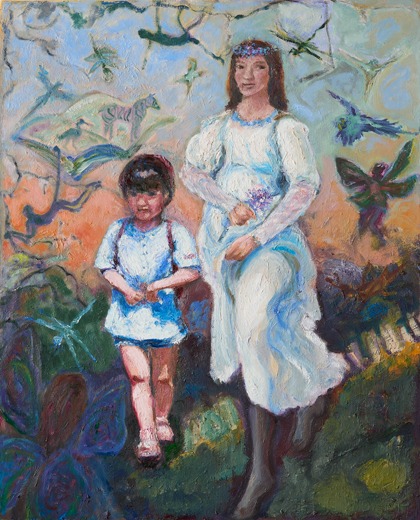
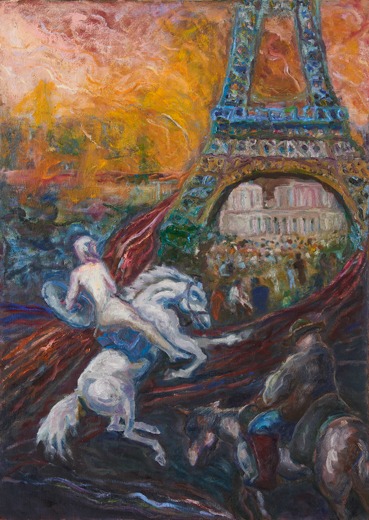
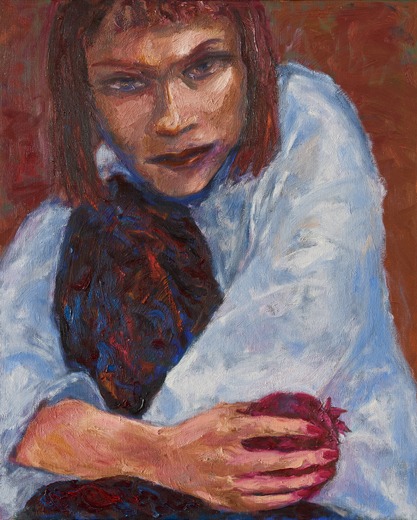
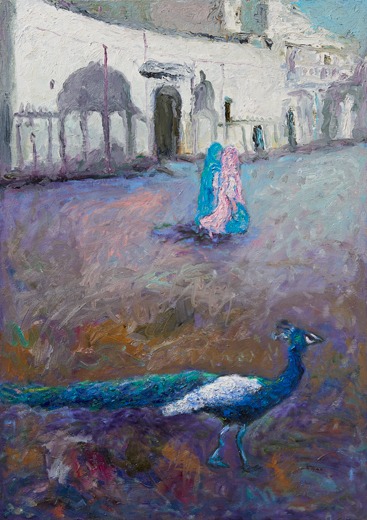
			the world of works by South Soo-in.
-A phenomenal recollection through memory and experience-

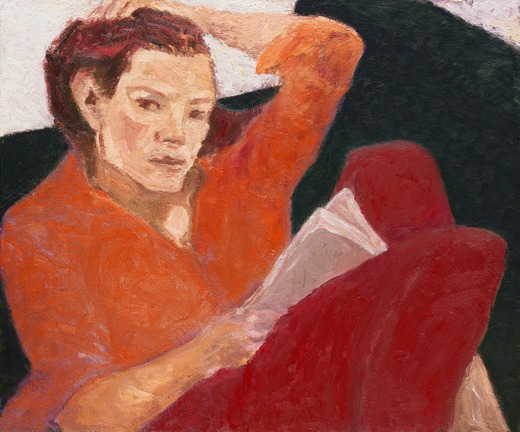
The 20 paintings by Nam Su-in, the first artist to appear at the gallery, are a reminder of what he saw, felt and experienced in his life's journey. In other words, as the author travels abroad, portraits of characters he encountered in everyday life, and narratives aimed at humans are expressed across memories and recollections, where he draws artistic dictionaries with his simple and familiar image, not with the elitist expression that comes from sophisticated techniques.

Therefore, the images in his works are a way to look at and reason for life, showing a wonderful world through memory and recollection of the epic about life in parallel with love, compassion, hallucination and fragrance, without denying the weight of life. His work is a time-travel that leaves us in the invisible world and flaps our imaginative wings. It also guides us to areas where language is impossible, forming a utopian desire inherent in our minds.

If you take a closer look at his works here, all of them are targeted at humans, and portraits highlight the reality of the subject's life, while the rest of the work turns "the mystery and meaning of life into questions about humans." In other words, it restores lost time through meditation and leads to a spatial narrative of art in it. Among the exhibits, "The Stranger of Paris" and "How to Catch the Cloud" are two of his works that have maximized fantastic narrative through memory and reflection.

Just as Nam Su-in's works are the result of memory or recollection, which links the absence of causality, his conversational gestures do not aim at balancing + and -, but apply the 'retrospective system' that results from his memory or recollection to the rules for spatial representation. Thus, the images in his work show a world of wonder, with subjective rules about man, a chain of causality leading to conflict of cause and effect, and a message related to the designation of the primacy of life, which creates a narrative that passes through most of the work. It reflects the mystery of life and the love of humans, and Camou said, "An animal dies of pleasure and a human being dies of wonder." How much do people of our time live with and feel about this precious wonder?


 Naver
Facebook
Kakao story
URL 복사
Naver
Facebook
Kakao story
URL 복사


