
| Period| | 2025-08-19 - 2025-11-09 |
|---|---|
| Operating hours| | 월,수,목, 금10:00-18:00 화10:00-20:00 토,일11:00-16:00 |
| Space| | POSCO Art Museum(POSCO center)/Seoul |
| Address| | 440, Teheran-ro, Gangnam-gu, Seoul, Korea |
| Closed| | |
| Price| | Free |
| Phone| | 02-3457-1665 |
| Web site| | 홈페이지 바로가기 |
| Artist| |
궤은 이기룡(1600-?), 연담 김명국(1600-1662 이후), 설봉 김의신(1603-1663 이후), 혜산 유숙(1827-1873)
|
정보수정요청


|
|
Exhibition Information
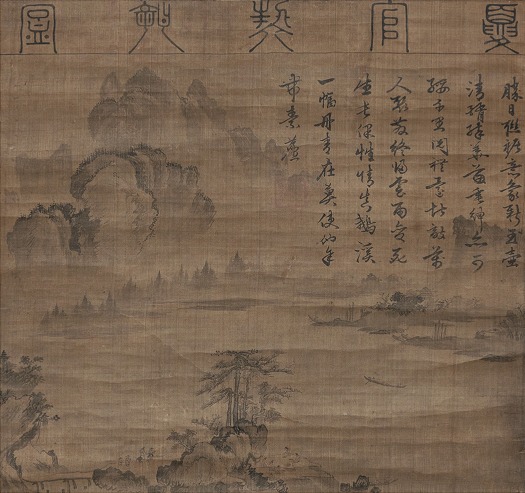
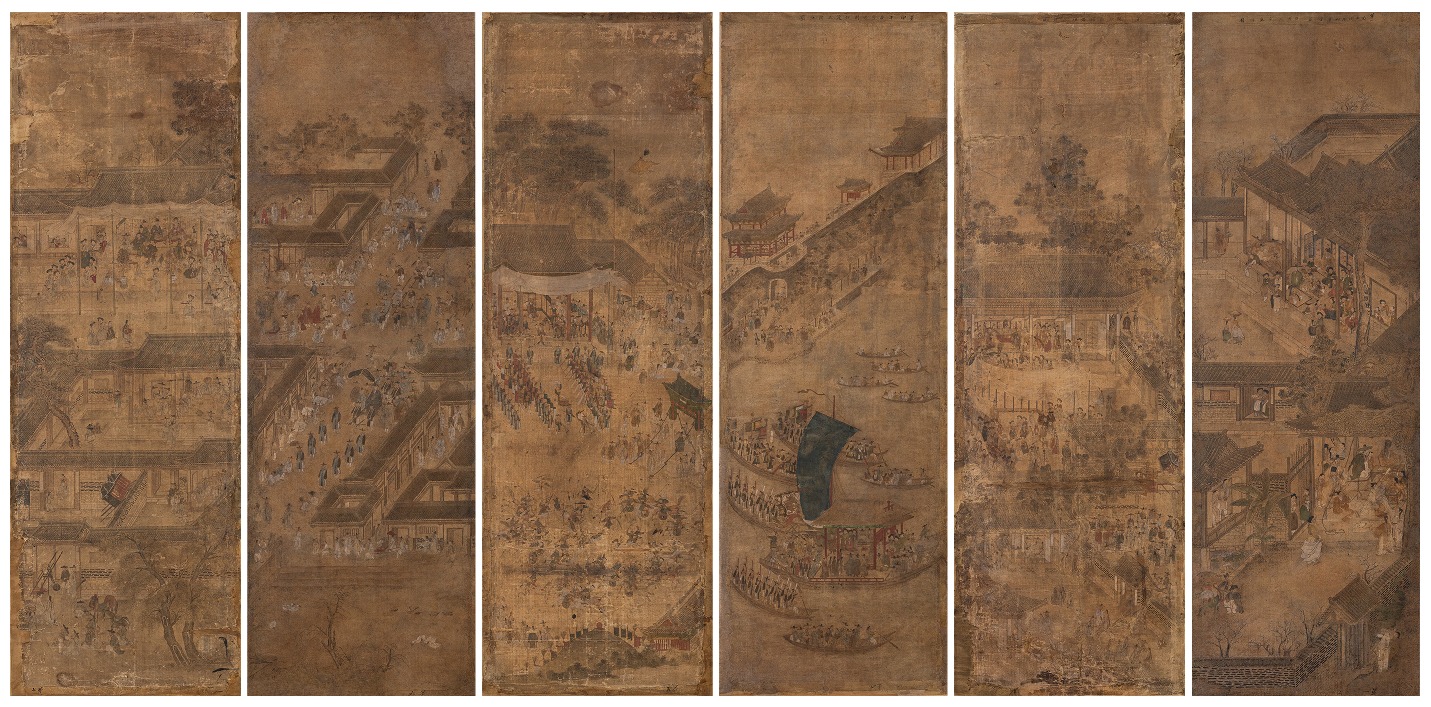
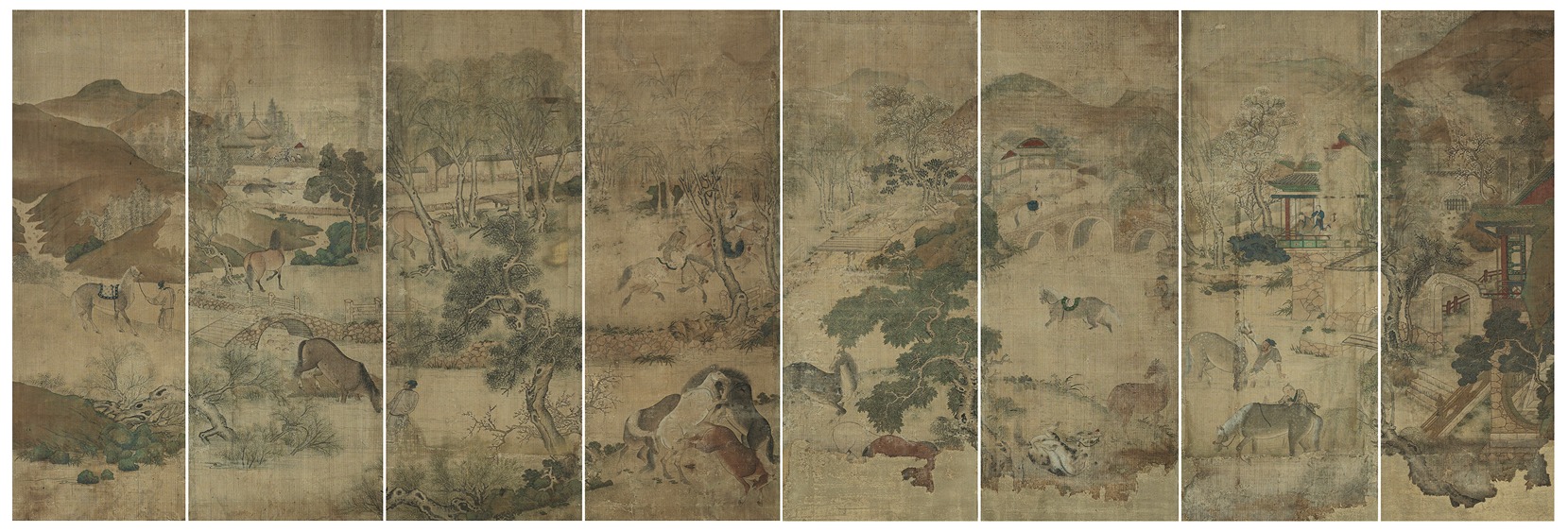
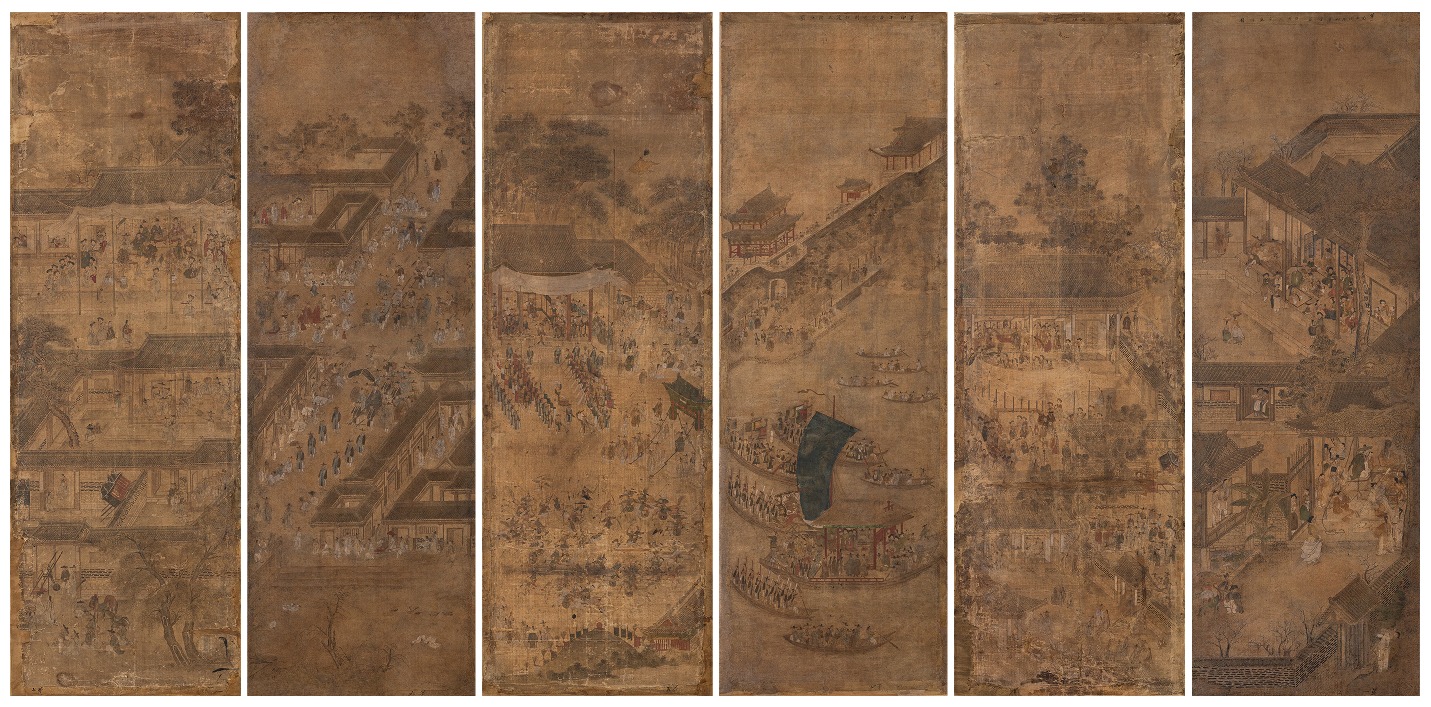
'Yuhyeonjae' was the name of the residence of Irie Takeo, who operated an antique shop called Richōdō in Kyoto, Japan, and collected Korean artworks for about 40 years. In 1996, Takeo published Illustrated Catalog of Old Korean Calligraphy and Painting from the 'Yuhyeonjae Collection' that included 730 items from his collection. At the time, the catalog made a significant impact on Korea’s traditional art community, and Yuhyeonjae became known as a renowned repository for Korean art in Japan. In 1997, the entire collection was transferred to Nakamura (Korean name: Jin Chang-sik), a third-generation Zainichi Korean collector. After his passing, part of the collection returned to Korea.

The curated exhibition, The Hidden Chapter: The Return of Joseon Treasures after 500 Years, will be held at POSCO Art Museum from Tuesday, August 19 to Sunday, November 9, 2025. For the first time, over 50 artworks from the Yuhyeonjae Collection will be unveiled to the public. This exhibition presents a diverse range of traditional artworks – including sansuhwa (landscape painting), inmul-pungsokhwa (portrait and genre painting), hwajo-hwahoe-yeongmohwa (flower-bird-plant-animal painting), girokhwa (documentary painting), gungjung hoehwa (court painting), gosado (narrative painting based on classical stories), and seoye (calligraphy) – spanning from the early Joseon Dynasty to the modern era. Notably, it features works created by court painters who were dispatched to Japan as part of the Joseon Tongsinsa diplomatic missions, offering a glimpse into historical moments of cultural exchange between Korea and Japan.

This exhibition is expected to offer an opportunity to rediscover the artistic and historical significance of our once-hidden cultural heritage. It is also expected to serve as a valuable research platform for domestic art historians, who until now, have had access to the Yuhyeonjae Collection only through plates and catalogues. It is hoped that, through the process of filling in the blank pages of Joseon art history, this exhibition will establish a meaningful new chapter and cast new light on the value and transformation of Korean art.


 Naver
Facebook
Kakao story
URL 복사
Naver
Facebook
Kakao story
URL 복사


