| Period| | 2026-01-14 - 2026-02-28 |
|---|---|
| Operating hours| | 10:00~18:00 |
| Space| | Hyundai Hwarang/Seoul |
| Address| | 8, Samcheong-ro, Jongno-gu, Seoul, Korea |
| Closed| | Mon |
| Price| | Free |
| Phone| | 02-2287-3591 |
| Web site| | 홈페이지 바로가기 |
| Artist| |
|
정보수정요청


|
|
Exhibition Information
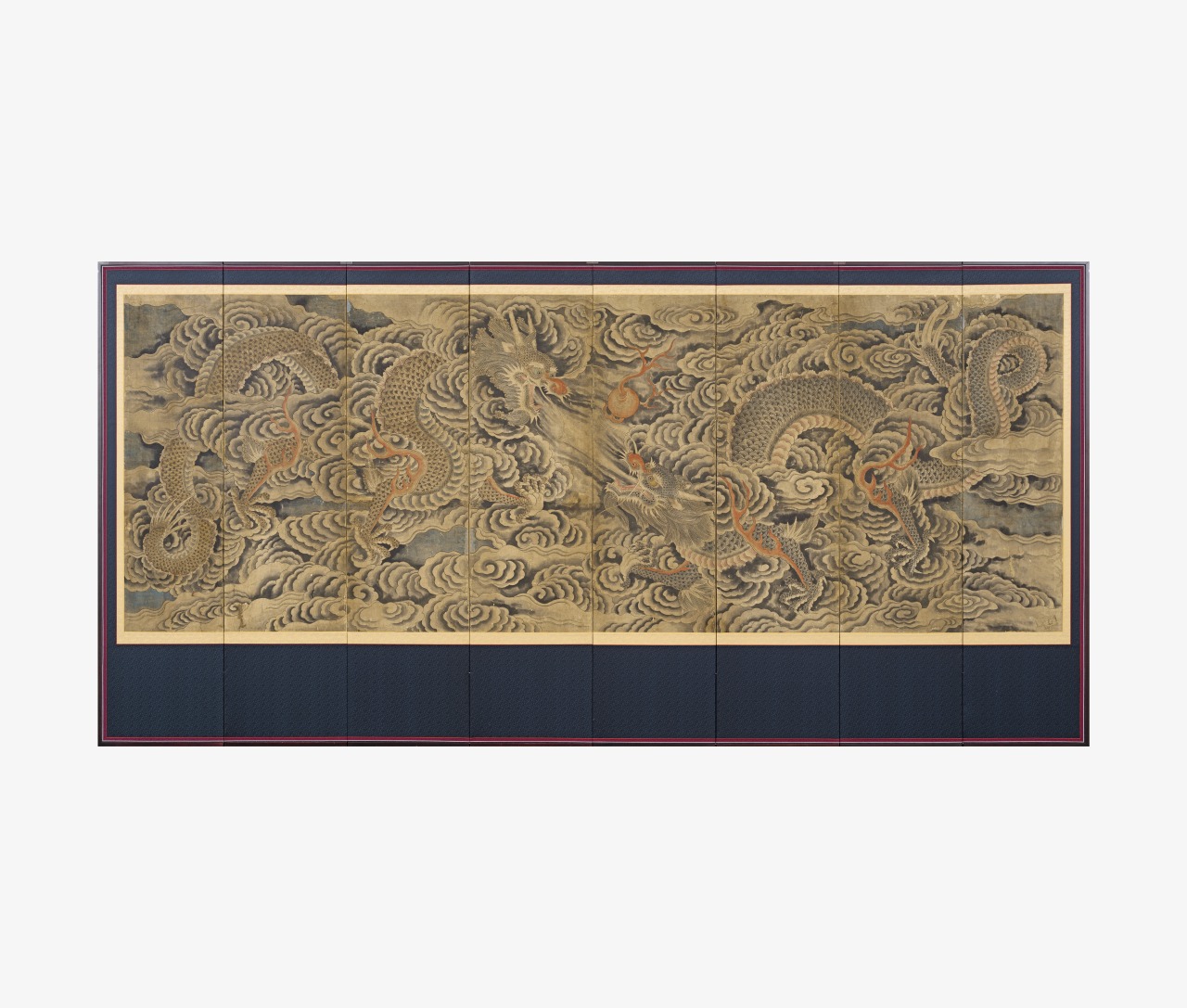
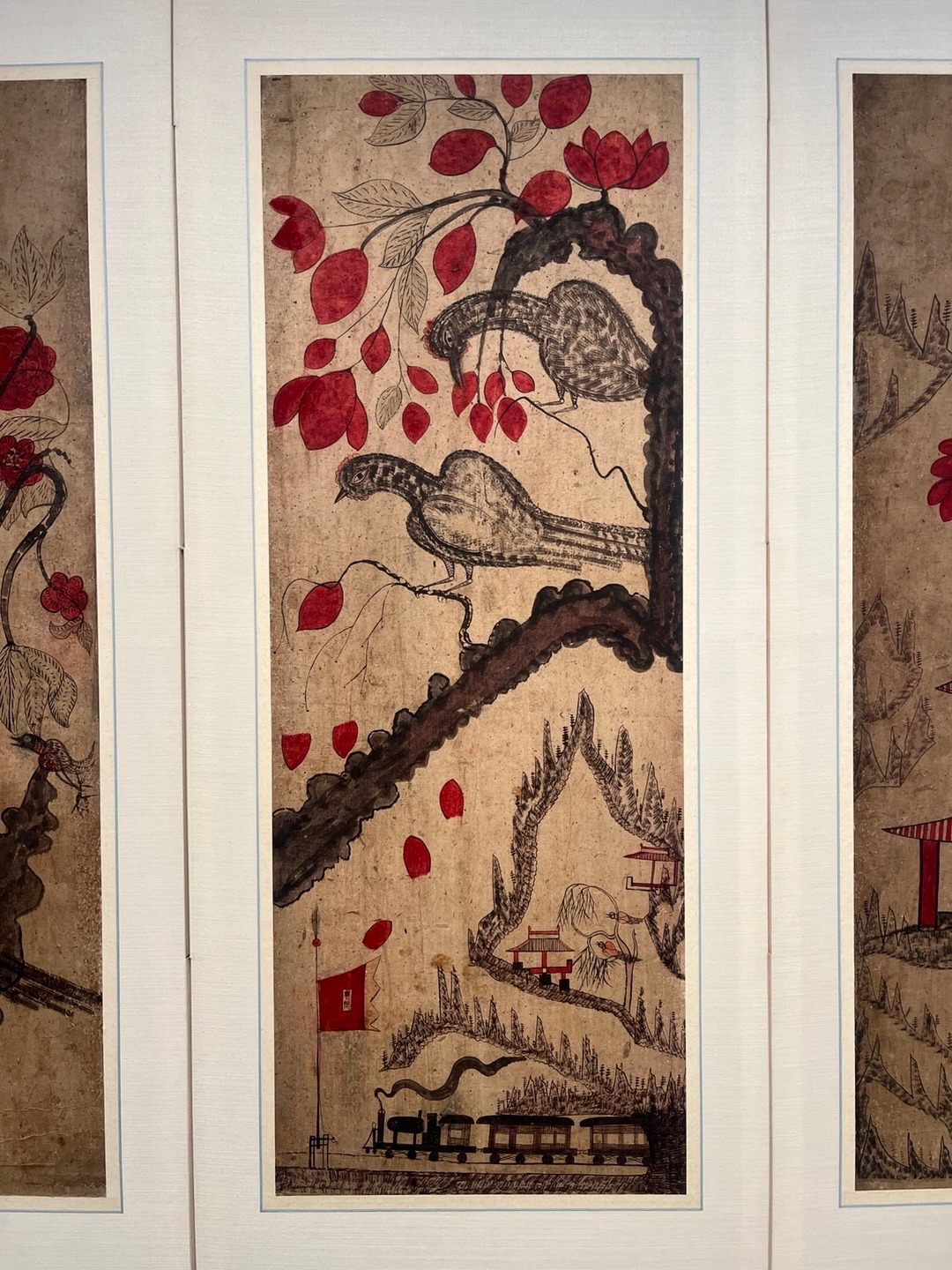
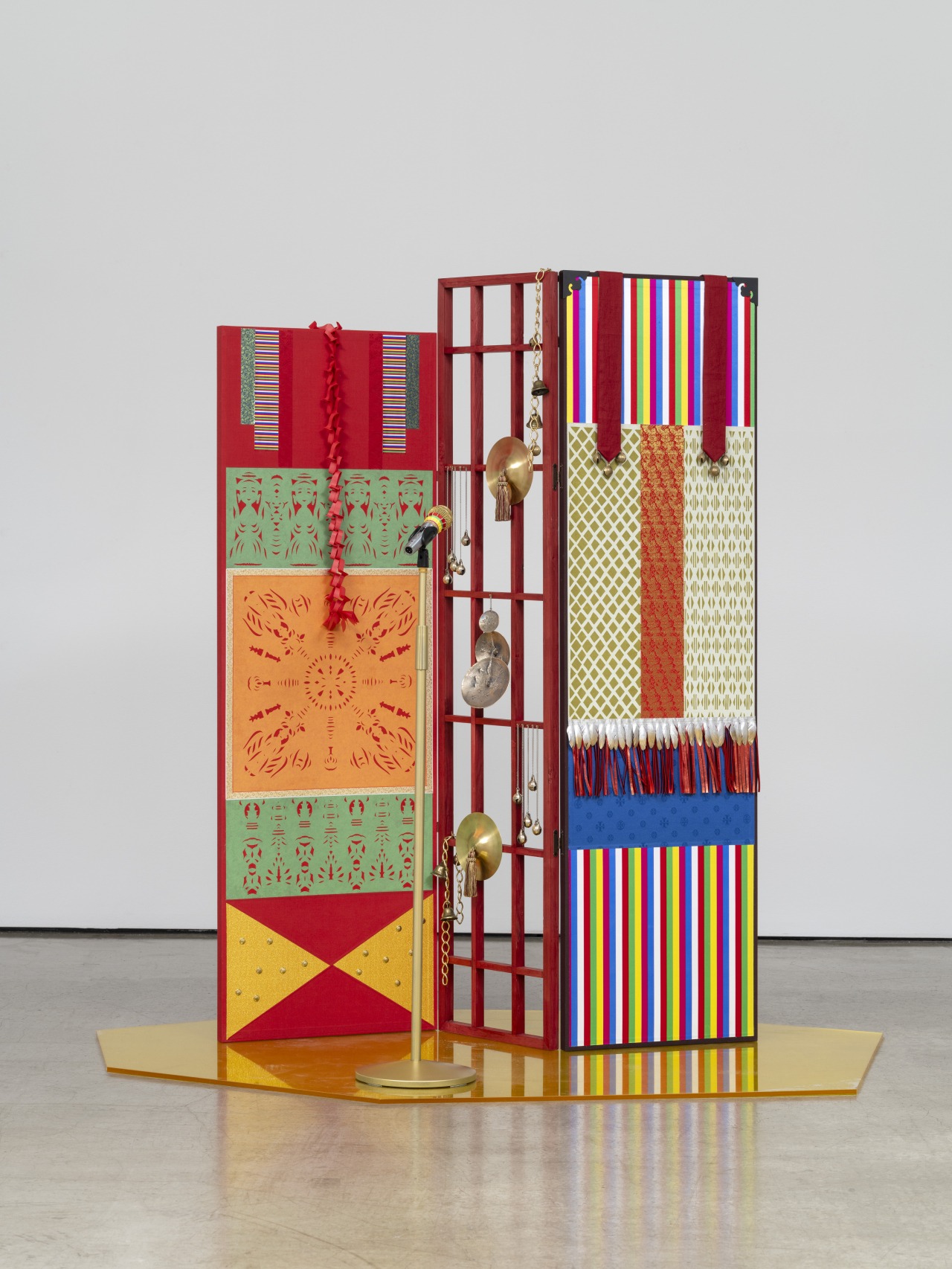
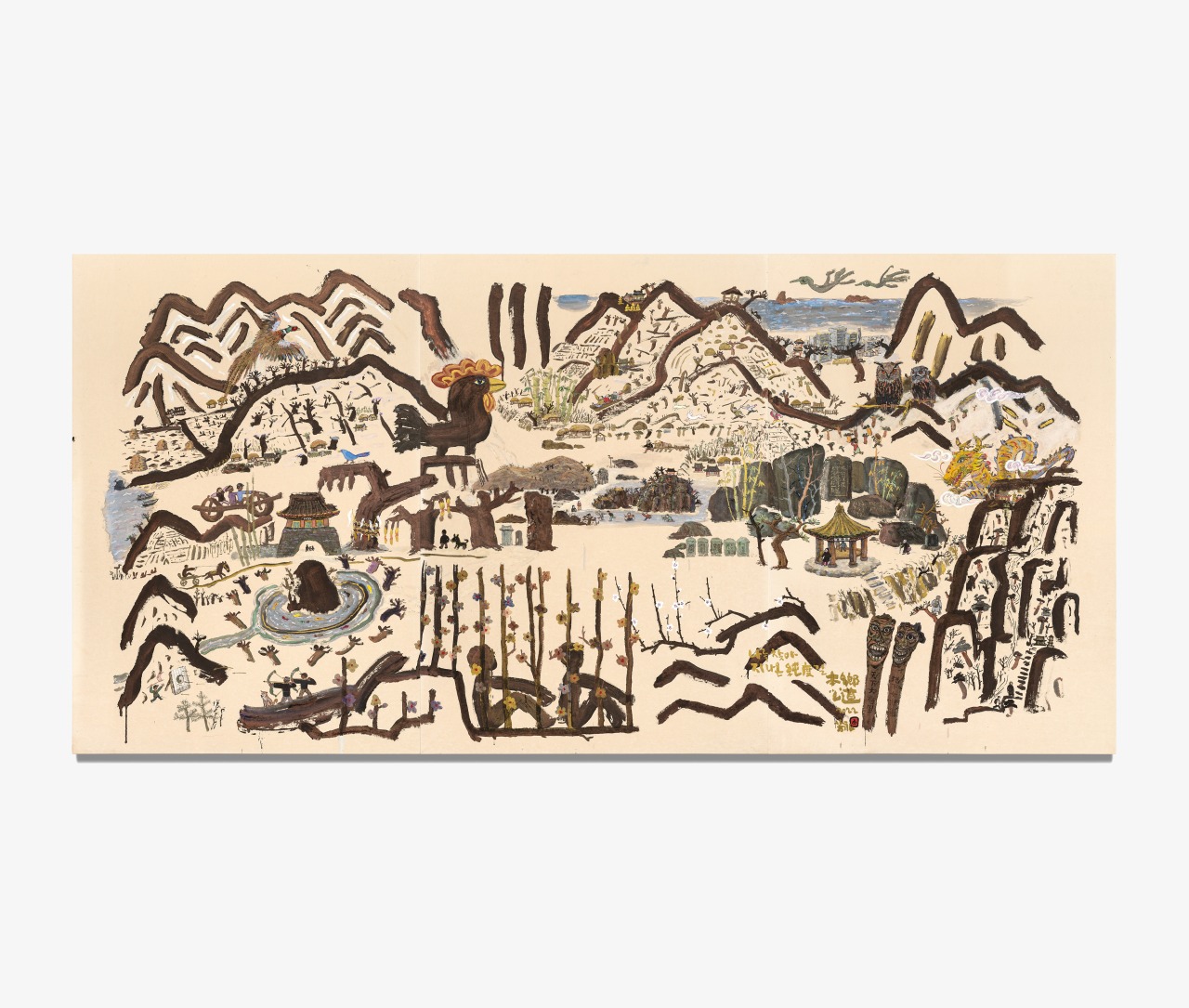
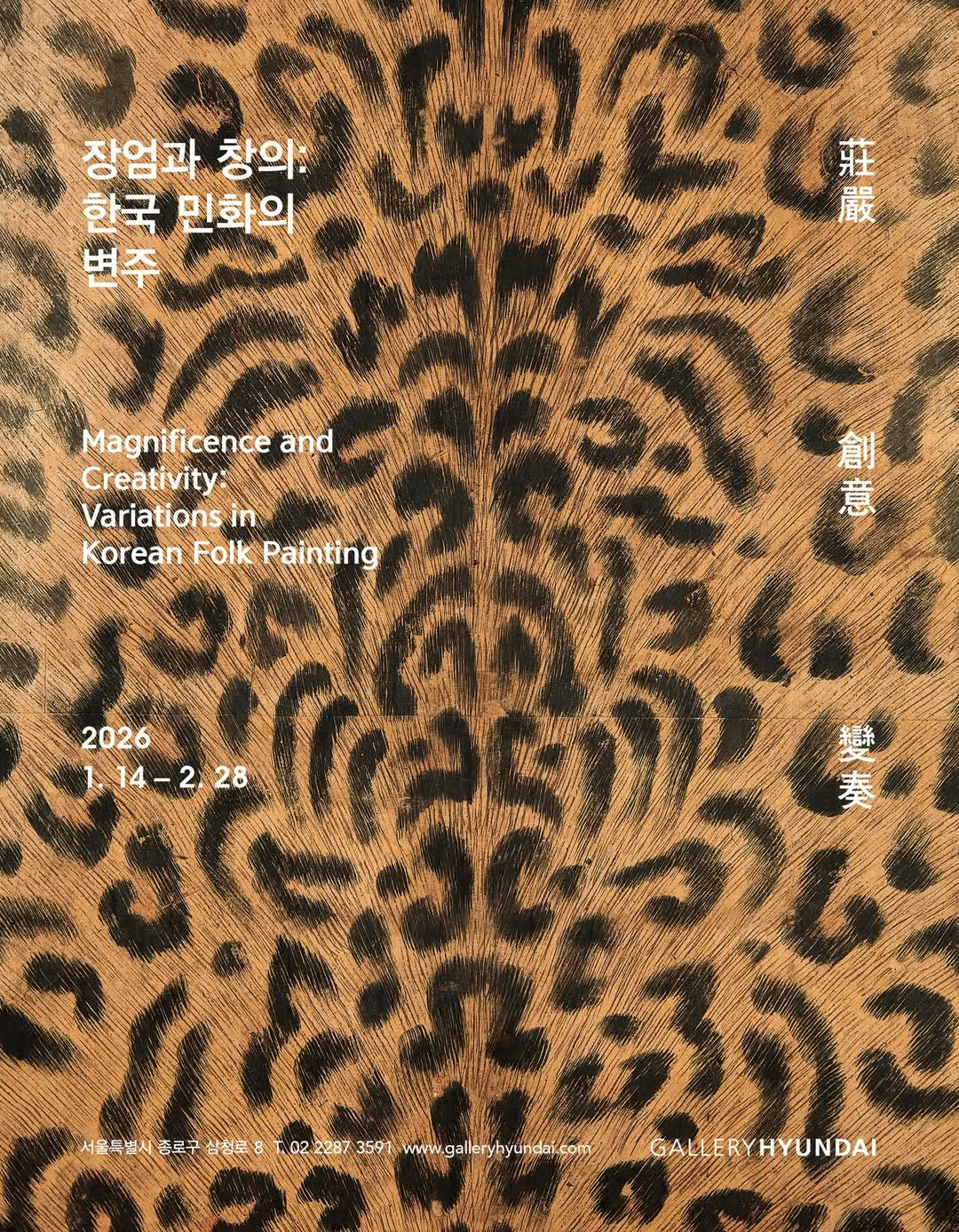
Gallery Hyundai opens the new year with two exhibitions presented in parallel: Magnificence and Creativity: Variations in Korean Folk Painting at Gallery Hyundai (8 Samcheong-ro), which examines the aesthetic values of Joseon dynasty court painting and folk painting; and The Way of Painting at Gallery Hyundai (14 Samcheong-ro), which presents works by contemporary artists who build their practices upon the inherited codes of Korean traditional painting, encompassing its distinctive forms, spirit, and aesthetic sensibilities. These exhibitions mark Gallery Hyundai’s first major presentation of Korean traditional painting in four years, following a series of related projects, including Minhwa and Court Paintings of the Joseon Dynasty: Munja-do and Chaekgeori, co-organized with the Seoul Arts Center and held at the Seoul Calligraphy Art Museum in 2016; Flower Paintings from the Joseon Dynasty (2018) and Munjado from the Joseon Dynasty (2021), all presented at Gallery Hyundai (8 Samcheong-ro). Together, the two exhibitions move beyond viewing Korean traditional painting solely as a practice bound to its historical moment. Instead, they reconsider these traditions through a contemporary lens, while also highlighting how today’s artists expand, transform, and reconfigure inherited pictorial languages into independent artistic worlds. By tracing these continuities and transformations, the exhibitions highlight the enduring aesthetic foundations of Korean painting as they continue to unfold within contemporary practice.

Magnificence and Creativity: Variations in Korean Folk Painting brings together approximately 27 museum-quality works that examine the value and beauty of Joseon-era minhwa and court painting. The exhibition highlights how these two pictorial traditions—historically categorized as distinct in content and form according to social status and class—have, in fact, continuously influenced one another and evolved through shared visual languages. Rooted in the lives and stories of ordinary people, minhwa embraced popular wishes, humor, symbolism, and emotional expression, articulating the sensibilities of Joseon society through a bold imagination and vibrant vitality. As a pictorial language of everyday life, minhwa has often been described as “the most distinctly Korean form of painting,” offering imagery that is both approachable and engaging. In contrast, court painting, governed by strict conventions and hierarchies, conveyed royal authority, legitimacy of rule, auspicious symbolism, ritual functions, and apotropaic meaning, achieving a refined aesthetic completeness that embodied the dignity and spirit of the Joseon court.

Although minhwa and court painting are often understood as distinct traditions, historical evidence points to a far more fluid relationship. Court painters moved between the palace and the Dohwaseo studios, and works such as Bonghwang Gongjak-do reveal a level of scale and refinement that suggests production by highly skilled court artists. As economic conditions shifted in the late Joseon period, minhwa increasingly adopted the monumental formats and polished surfaces of court painting.

Through this reciprocal exchange, courtly imagery entered the realm of minhwa, while the bold compositions and expressive vitality of minhwa invigorated court painting. Rather than presenting the two genres as oppositional, this exhibition foregrounds their dialogue and exchange, inviting viewers—together with Hwaido—to reconsider Korean tradition as a living visual language within a contemporary artistic framework.


 Naver
Facebook
Kakao story
URL 복사
Naver
Facebook
Kakao story
URL 복사


